Last night, Mark Gatiss talked about writing for an hour in a room that was rather jampacked. The event took place at the location where the Diogenes was filmed for Sherlock, and it was really quite posh.
Now, Mark was meant to be on a panel, but the weather had caused a landslide, which in turn caused trains to be cancelled and the other members were unable to attend. Now, this was bad for some, but great for me, as it meant an hour of just Mark.
I do have to say that I took slightly less notes at the end as I was trying to get called on to ask my question (they ran out of time, so I didn’t get called.) Hopefully, all of this is clear to everyone, and please ask for clarity if you need to!
Q1: How did you become a writer?
Mark said that it was down to encouraging teachers that he had at school. He is even still in touch with one (how sweet!). In his younger years, he won a writing competition at school and he was encouraged to pursue this.
He was in an advanced reading group (but were you ever in an advanced reading group of just one? 😉 ) and because of this and his writing talents, he felt a lot was expected of him.
He would write stories about teachers he hated; murdering them off! This was his first paid gig! 😂He earned a bit of pocket money this way.
He did some writing at uni and the first thing he had published was a Doctor Who novel, as at the time, it was no longer in production. This is the novel, Nightshade.
Q2: You write as a member of TLoG (sketch comedy) and as part of a team (MG and Moffat), but you also write with your own inspiration (a bit of the dark/horror/gothic); how does it fit, writing with others?
Mark said it was a double edged sword; tension can make it work. But sometimes, there can be issues (thinking back to when John Cleese left Monty Python or the split up of the Beatles and no more Lennon/McCartney). There is often a rivalry and an unspoken desire to please the other writing partner. Sometimes, when it is just you on your own, it is lonely.
Collaboration is wonderful! Partnership gets a discussion going, that is not in your own head. If you can find someone you trust and you can accept what they have to say, then that is great.
They segued into publishing and whatnot here. Mark said to take the idea/feedback you get but don’t close the door on what you’ve done. Don’t give in (which is great when you’re a famous writer; not so much when you’ve sent off your first piece).
One of his favourite moments is the moment before he sends off a script, etc as in that moment it is still his. 😊
Mark also said that there are people you hang onto for feedback and encouragement, and people you avoid like the plague. (True for life, I would also say.)
Q3: How have you experienced rejection and failure?
Mark immediately said that he has been very fortunate and that he hasn’t had a lot of that lately; more frequently in the early years of his career, but that it’s “fucking hell.”
Thanks to TLoG and Sherlock, the things he writes get made.
He has had 2 large setbacks in the past 4 years and he was rather shocked by them. He was asked to do a pilot (literally asked) and he spent 2 years on it and then they were like no. But they had asked for it, which kind of makes no sense.
He also recently worked on something for a year, only to find it was being done by someone else. He said this was rather depressing and that they were really big fuck ups.
Q4: So what do you do 24 hours after a rejection? (This was in response to one or both of those more recent rejections; he wasn’t overly specific for his own personal reasons I would assume).
Mark said he wrote a scathing email and left it for a bit, and then sent it anyways! And then wrote another. He said he actually felt quite ill over it and he was rather angry. He said that you have to try to have self-respect, but it was more like “Are you fucking kidding me?”
Q5: What about being emotionally invested in your work?
It is inevitable. Mark began to speak rather passionately about the John Minton documentary he recently did. He self-financed it, and then it was picked up by the BBC. When he was doing the voice over for it, discussing Minton’s suicide, he found It quite hard (You can hear this in his voice when you listen to the program.).
Writing is very hard. He talked briefly about other authors like Agatha Christie, who used to just write for pleasure and then it became a job.
Q6: How do you write?
He said he prefers morning, as he is a morning person. He prefers to have a completely clear day for it with nothing else planned. He also likes when things get cancelled so he can focus entirely on writing, so he can get into the zone. He prefers to write in one long stretch, rather than an hour here or there. He expected he’d get so much done when he was on tour with TLoG, but when you’re up late and get up late and then have to drive somewhere the time is better spent watching movies/reading as he didn’t have that long stretch. Filming TV/movies works better for writing as you often have a long stretch of time before you’re needed on set and that works better for him personally.
He finds if he tries to write at night, he falls asleep.
Editing works ok for short periods of time/availability, but that he really needs the entire day for writing something full on.
Q7: Do you write for fun/enjoyability?
Not in a while. There just isn’t enough time.
Q8: What do you enjoy reading?
Obviously he likes to go back to Conan Doyle.
Q9: He was then asked about the Lucifer Box novels.
They were written before Doctor Who returned. He was approached by Simon and Schuster to write a series. And as he loves James Bond, he wanted to do is own take on a secret agent. I felt here he was sort of self-deprecating about Lucifer Box– saying how he even says in the front page that it’s a “bit of fluff.” ( I personally love the trilogy, so it made me kind of sad that he felt that it wasn’t brilliant, or maybe I was a bit off the mark here. (ha ha).)
Q10: Does legacy cause issues?
It depends. He felt that one should be open hearted to these kinds of issues, especially re: Sherlock. The version they did, was the version they did. If you want to see something else, write your own.
Q11: What kind of framework do you prefer?
He prefers to have a loose framework in which to write; not always planned out.
And then to me, the quote of the evening, “It’s a shit business.” (Not sure the entire room got that if I’m honest.)
This was where it began to wrap up and the last question was asked and I was trying not to be disappointed that I wasn’t picked as I’d literally spent 2 weeks coming up with my question.
As always he was very gracious and spent time signing and taking photos with fans. ❤️
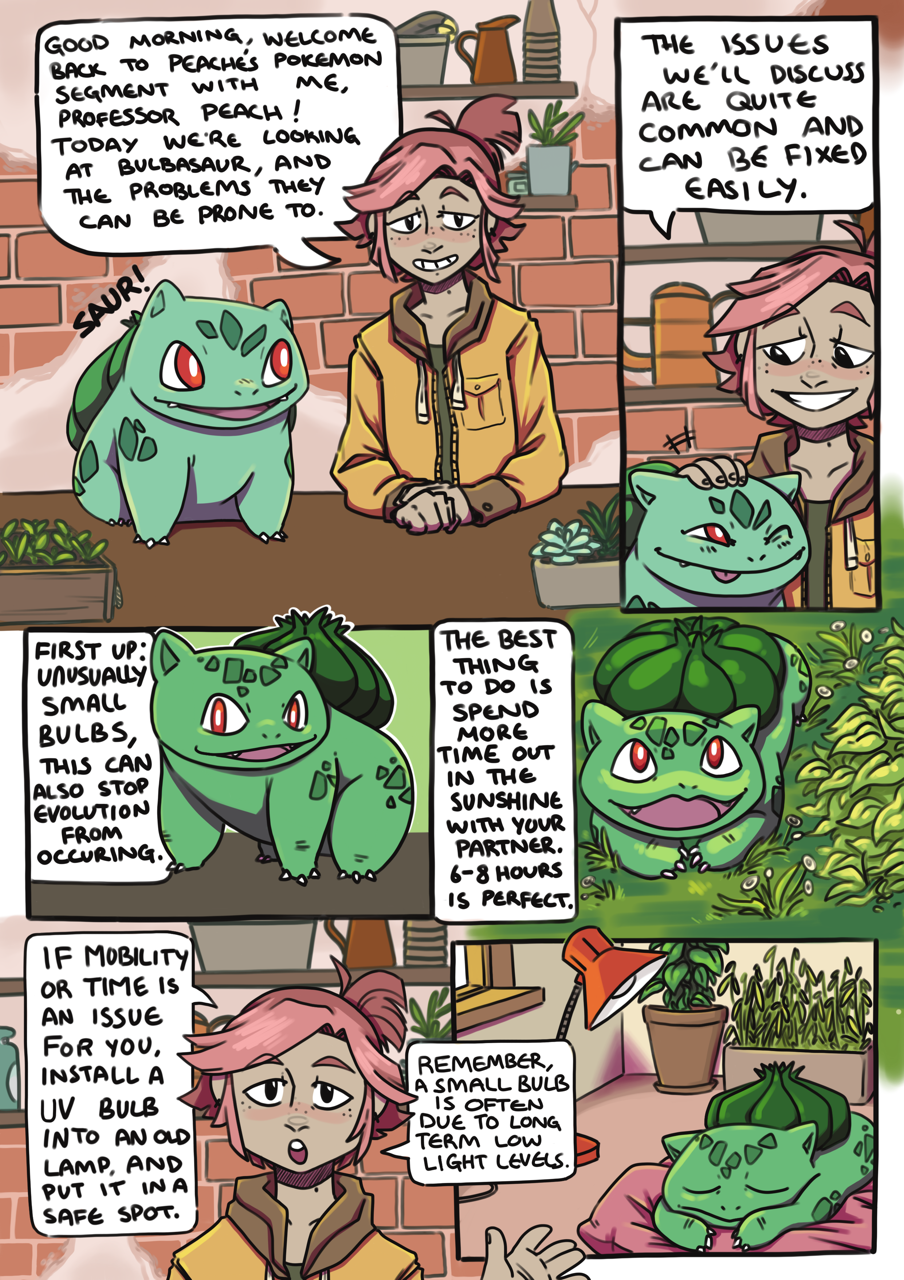
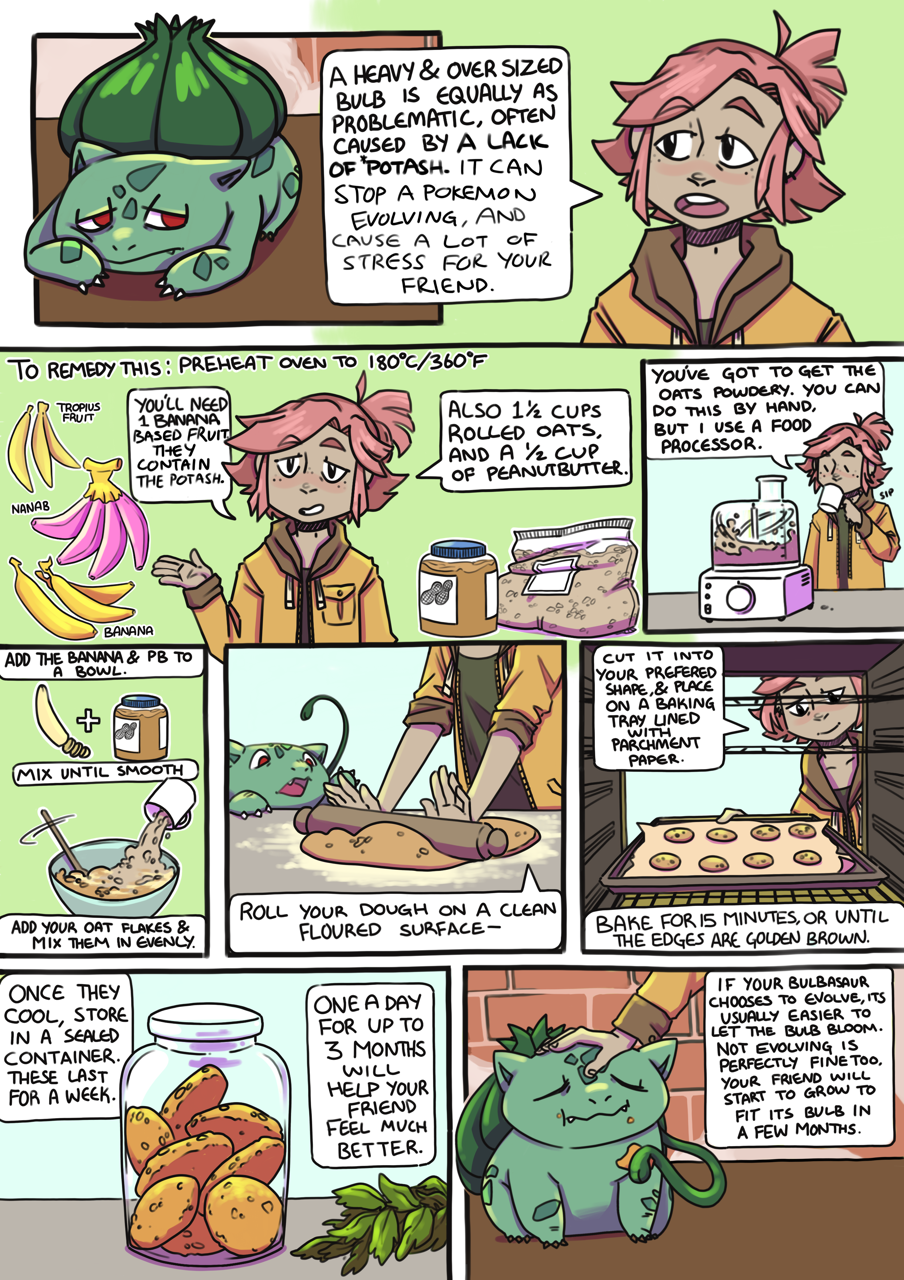
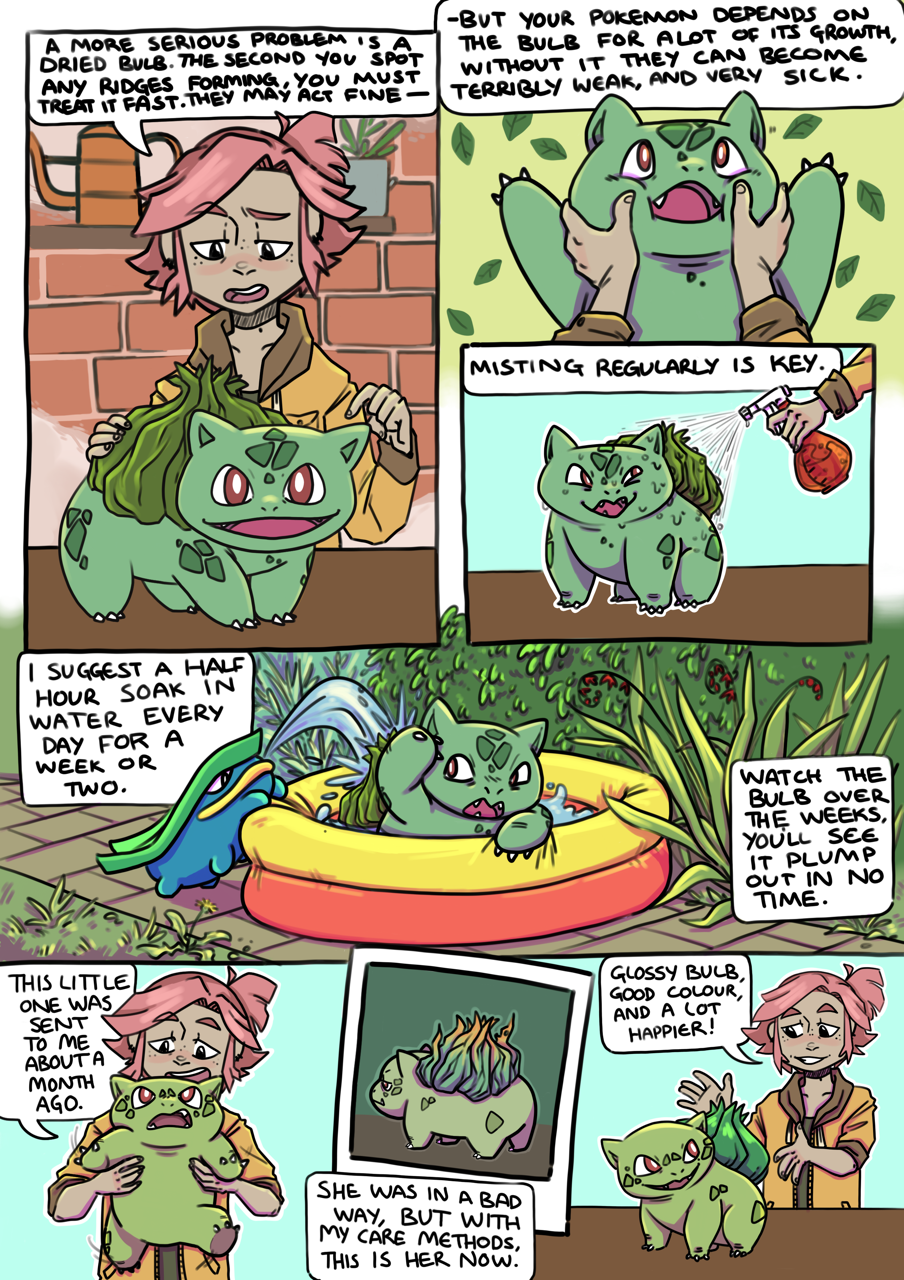
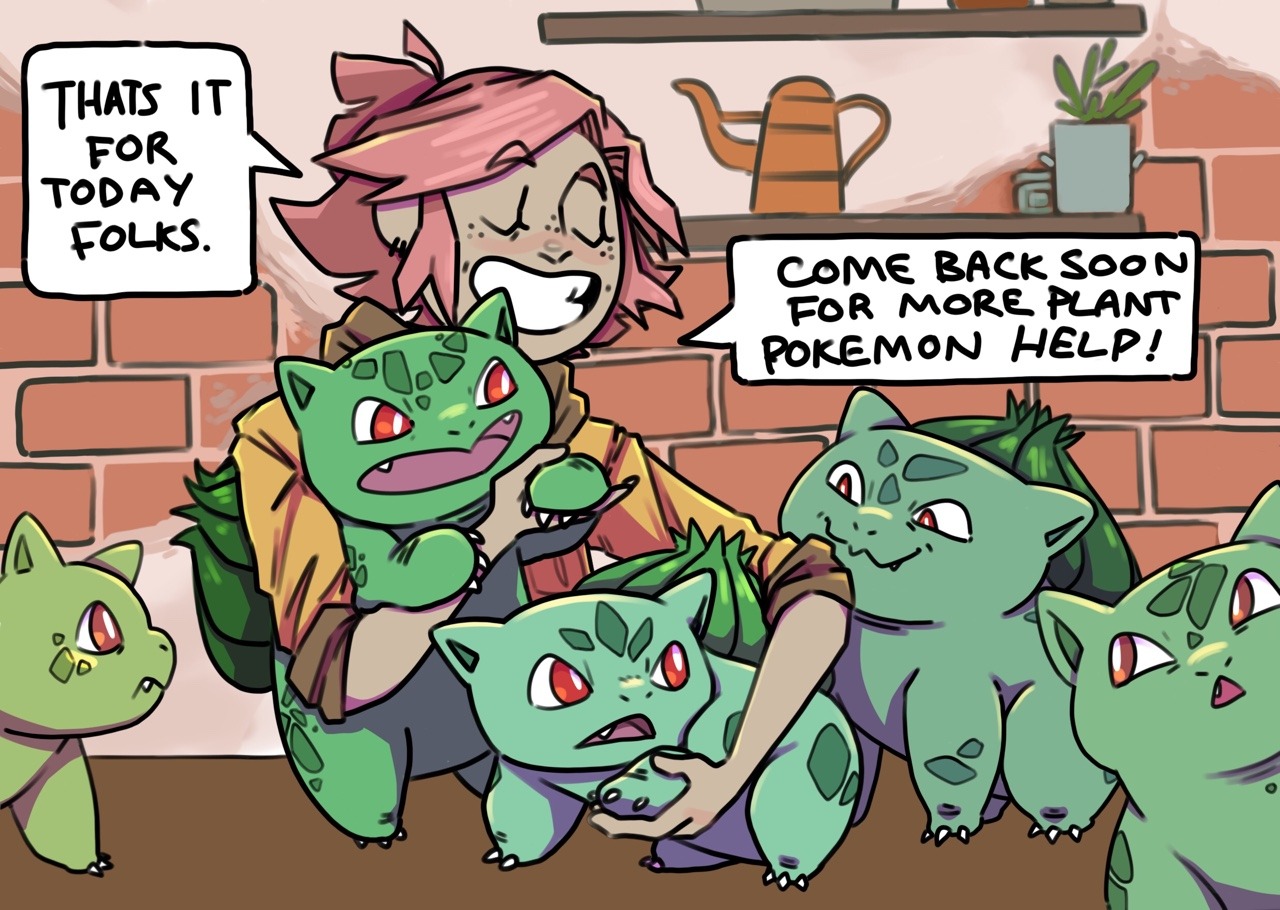
Join prof.Peach in the greenhouse this week as we talk about bulbasaur, their common issues and how to remedy them.
*the recipe is acceptable for dogs (and humans) unless you know they have an allergy to any of the ingredients. WARNING, XYLITOL IS A COMMON PB INGREDIENT AND CAN HARM DOGS. ALWAYS CHECK THE LABLE.
(You see what you’ve done, Greenie? Now we all must suffer.)
He’s quiet at first – shy. It always takes him time to settle when it’s someone new. This one is handsome, broad-shouldered and unobtrusive, and already I suspect he’ll be asked to return. He’s gentle with my lover, and patient – and knows my lover’s gaze belongs to me.
As they relax and grow familiar with each other, and the air around us warms with the fire, I pay little attention to the proceedings and instead finish my glass of wine. Only when things have progressed to the point of interest do I move quietly closer, rest myself in an armchair positioned a safe distance from the bed, and take up charcoal and chalk.
It’s all lines at first – mere suggestions of shape, shadows of form. The rasp of charcoal over paper is the loudest sound in the room, their breath tentative beneath it.
Soft hazel eyes flick often towards me, searching for mine – but he’ll have to wait a little longer.




 Green Violin Bow